Vascular Function Laboratory
Vascular Function Laboratory
Advancing Cardiovascular Health Through Vascular Assessment, Exercise Science, and Preventive Medicine
Vision
To conduct high-quality, clinically relevant research designed to improve our understanding, identification, and prevention of cardiac risk via the non-invasive assessment of vascular health — advancing vascular and cardiovascular health to promote longevity and prevention.
Mission
To provide high-quality, complete evaluations of vascular function and cardiac risk to diverse populations — including adults and youth — while promoting targeted lifestyle and intervention strategies that reduce cardiac risk and improve quality of life.
The Vascular Function Lab is dedicated to advancing the understanding of vascular health, cardiovascular risk, and physiological function across diverse populations — including apparently healthy adults, individuals at elevated cardiometabolic risk, patients with cardiovascular disease, and cancer survivors. Using state-of-the-art noninvasive technologies, we evaluate key vascular health markers that provide meaningful insight into cardiovascular function, disease risk, and responses to exercise-based interventions.
Through comprehensive assessment of arterial stiffness, wave reflection, central blood pressure, endothelial function, carotid artery structure, and plaque burden, our laboratory aims to identify early vascular changes before clinical disease progression occurs, incorporating exercise and nutrition strategies in a preventative fashion.
Our Research Focus
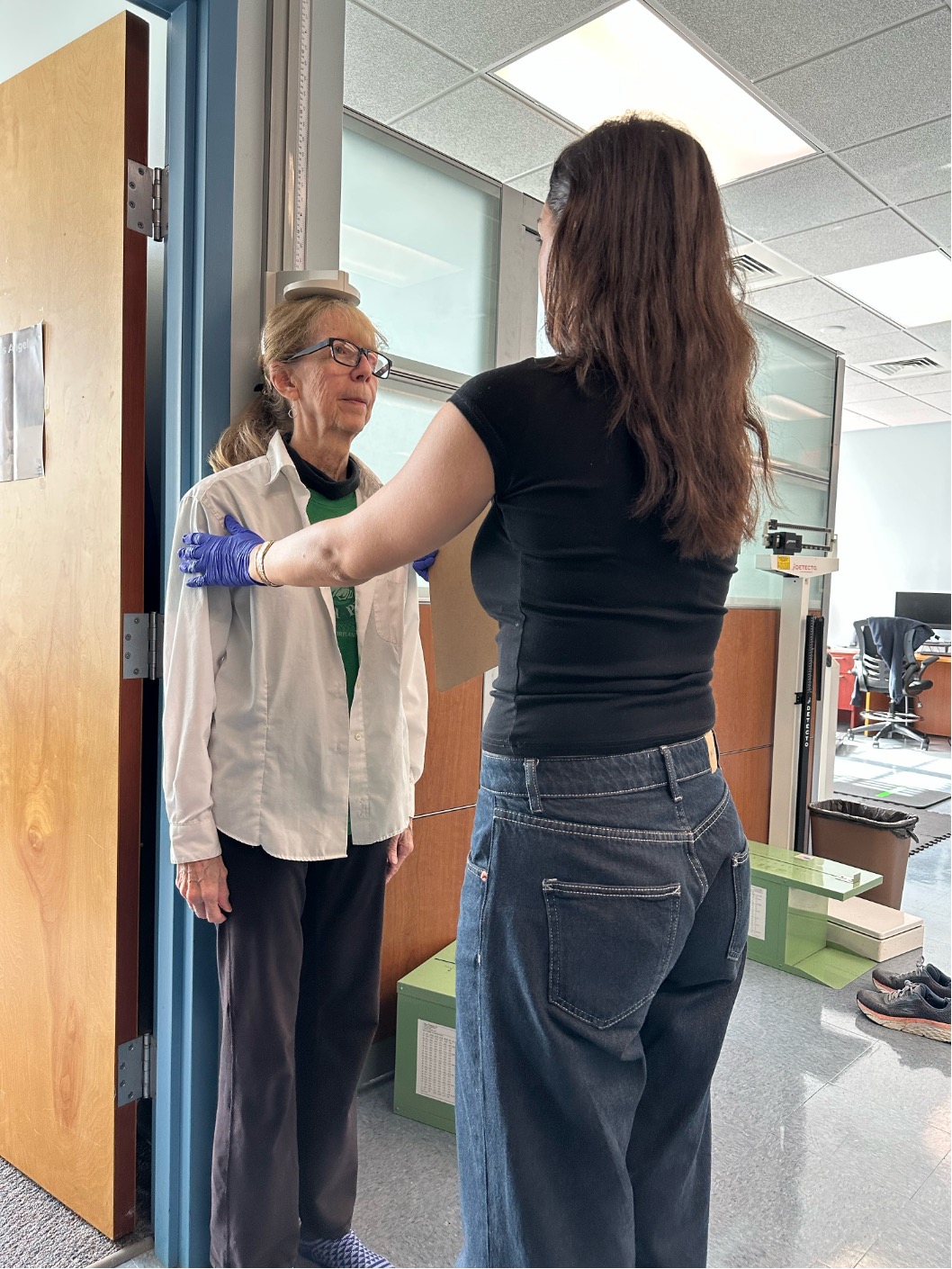
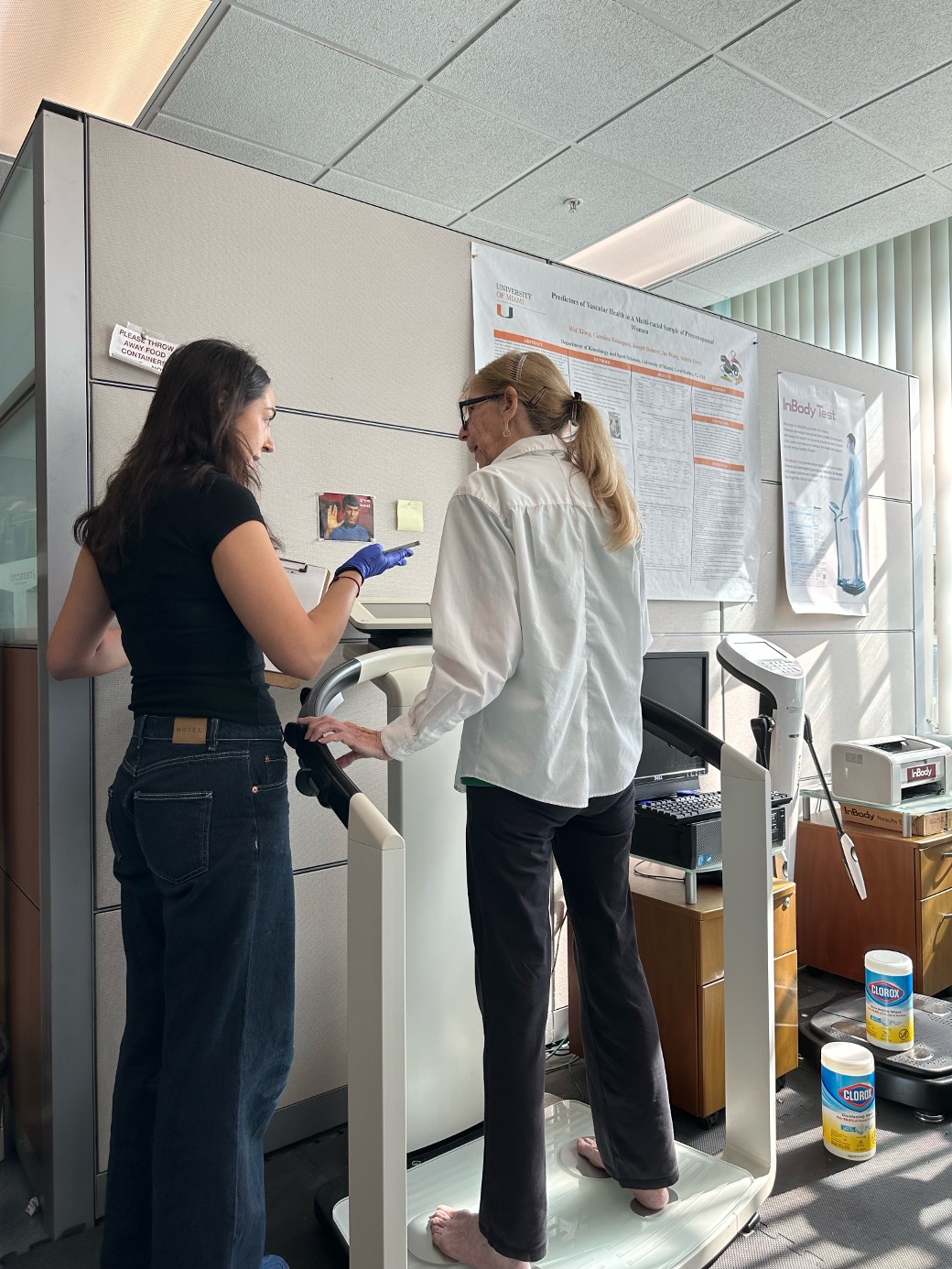
The laboratory investigates how lifestyle behaviors, body composition, physical fitness, aging, sex-specific factors, cardiometabolic risk profiles, cardiovascular disease status, stroke, and cancer treatments influence vascular health. We are particularly interested in identifying early predictors of vascular dysfunction and developing evidence-based exercise interventions, offering the following areas of focus:
Cardiovascular Disease and Clinical Populations
The Vascular Function Lab examines vascular health in individuals with or at risk for cardiovascular disease, including patients with hypertension, obesity, metabolic dysfunction, arterial stiffness, endothelial dysfunction, subclinical atherosclerosis, or established cardiovascular disease.
Our work aims to better understand how vascular dysfunction develops and progresses across clinical and high-risk populations. By assessing both vascular function and vascular structure, we seek to identify modifiable factors that may contribute to cardiovascular risk and disease progression.
A key focus of this research is the use of exercise-based strategies — aerobic training, resistance training, functional exercise, and individualized programs — to improve vascular health and support cardiovascular prevention and rehabilitation. Our research also extends to nutritional guidelines and dietary adjustments that support arterial stiffness, endothelial function, central hemodynamics, physical fitness, and cardiometabolic health.
Cardio-Oncology and Cancer Survivorship
Cancer survivors may experience increased cardiovascular risk due to cancer treatments, including chemotherapy, radiation therapy, targeted therapy, and immunotherapy. These treatment exposures may contribute to vascular dysfunction, endothelial injury, arterial stiffness, altered cardiometabolic health, and reduced physical function.
The Vascular Function Lab is committed to advancing research in cardio-oncology by examining vascular health in cancer survivors and identifying early indicators of cardiovascular dysfunction. Our work aims to better understand how cancer treatment history, lifestyle behaviors, physical fitness, body composition, and cardiometabolic risk factors contribute to vascular aging and subclinical cardiovascular disease risk.
Through comprehensive vascular assessment, our lab seeks to support early cardiovascular risk detection in cancer survivors and inform exercise-based strategies to improve long-term cardiovascular health, physical function, and survivorship outcomes.
Exercise Intervention and Vascular Health
Exercise and nutrition quality are two of the most powerful non-pharmacological strategies for improving cardiovascular and vascular health. The Vascular Function Lab investigates how different forms of exercise training and diet influence vascular function, body composition, physical fitness, and cardiometabolic risk.
By examining vascular responses to exercise, the Vascular Function Laboratory aims to identify effective intervention approaches that can improve arterial stiffness, endothelial function, vascular reactivity, central hemodynamics, physical fitness, and overall cardiovascular health.
Vascular Assessment Technologies
SphygmoCor XCEL System
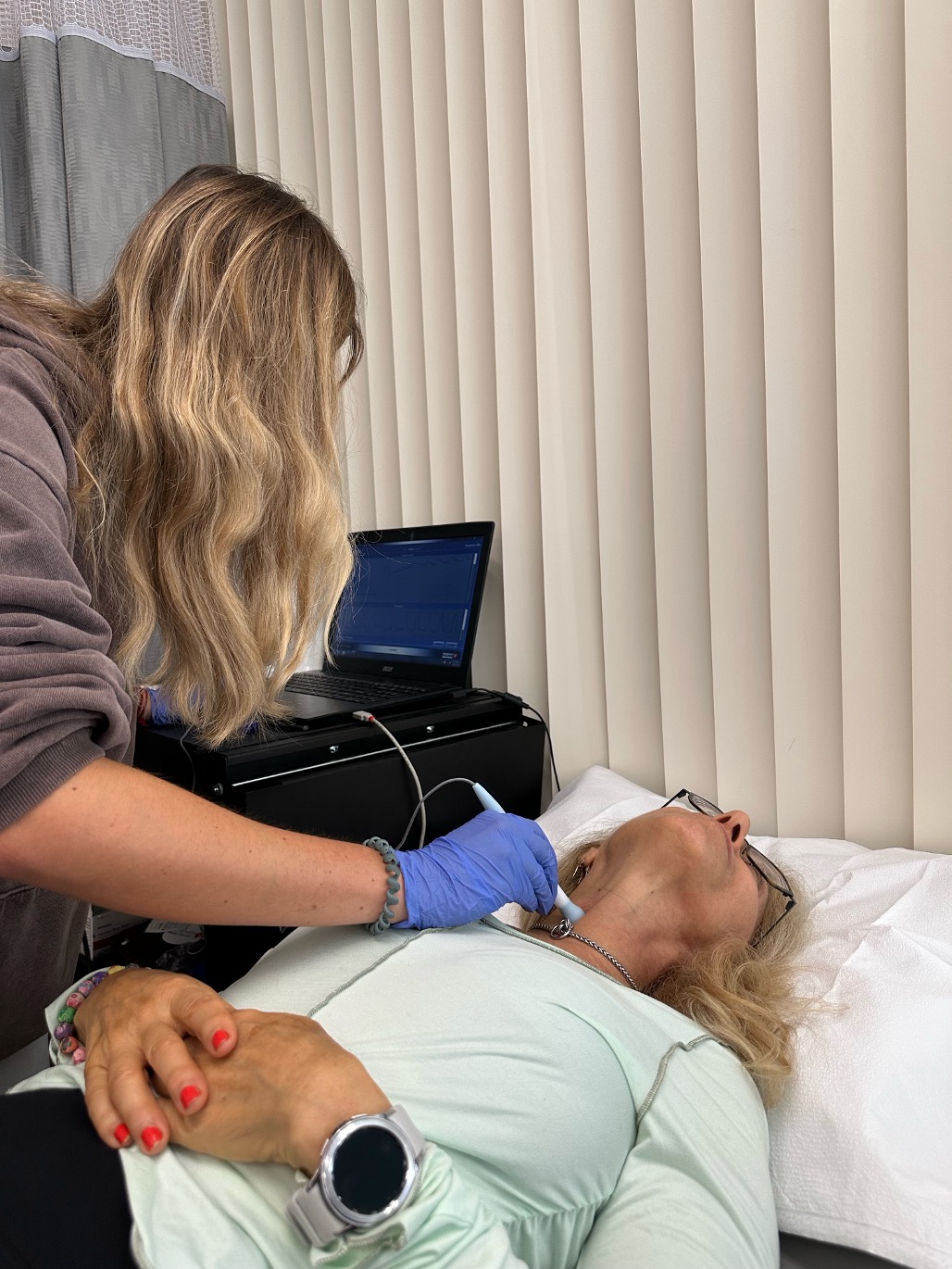
The lab uses the SphygmoCor XCEL system to assess central vascular function and arterial stiffness. This system allows for noninvasive evaluation of clinically relevant cardiovascular risk markers, including:
- Carotid-femoral pulse wave velocity (cfPWV): A gold-standard measure of central arterial stiffness.
- Central augmentation index (cAIx): A measure of wave reflection, arterial load, and vascular aging.
- Mean arterial pressure (MAP): An important indicator of central hemodynamic stress and vascular function.
Philips Affiniti 50 Ultrasound System
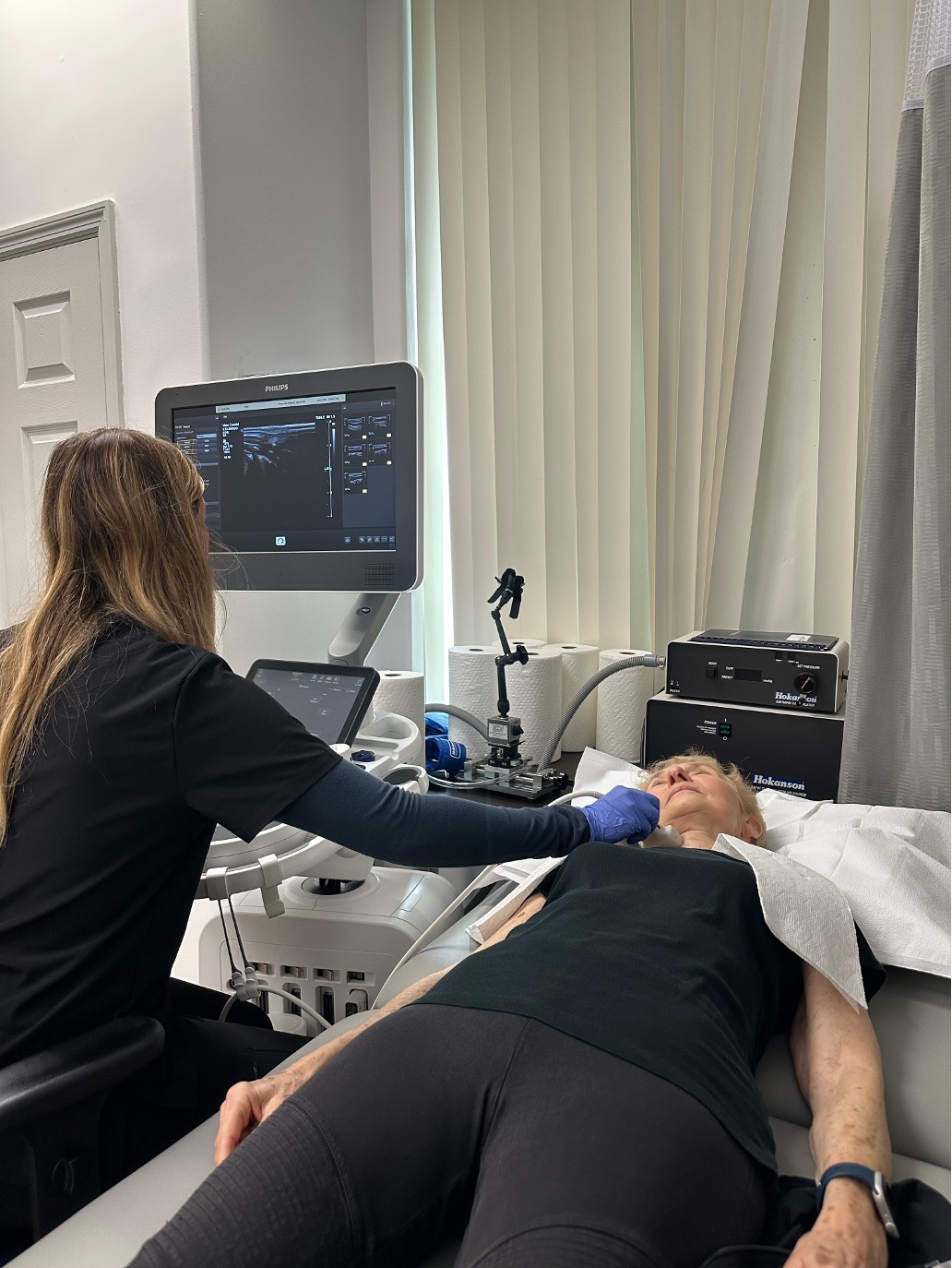
The lab also uses the Philips Affiniti 50 ultrasound system for high-resolution vascular imaging, supporting detailed assessment of vascular structure and endothelial function, including:
- Flow-mediated dilation (FMD): A noninvasive measure of endothelial function and vascular reactivity.
- Carotid intima-media thickness (cIMT): A marker of subclinical atherosclerosis and arterial wall remodeling.
- Carotid plaque assessment: Evaluation of plaque presence and vascular structural changes associated with cardiovascular disease risk.
Why Vascular Function Matters
Vascular dysfunction may develop many years before the onset of overt cardiovascular disease — particularly important for individuals with elevated cardiometabolic risk, patients with cardiovascular disease, and cancer survivors exposed to potentially cardiotoxic treatments.
By assessing vascular function and structure early, our laboratory aims to identify individuals and populations at increased cardiovascular risk. Our focus on the physiological mechanisms linking lifestyle, nutrition, body composition, and physical fitness to cardiometabolic function promotes a more complete and positive vascular health outcome.
Our work contributes to the development of preventive and rehabilitative strategies designed to improve cardiovascular health, reduce disease burden, and support healthier aging.
Training and Collaboration
The Vascular Function Lab provides hands-on research training for students and research assistants in vascular physiology, ultrasound imaging, arterial stiffness assessment, endothelial function testing, exercise intervention research, blood flow restriction applications, data collection, and cardiovascular health research.
We welcome collaboration with investigators, clinicians, students, cancer survivorship programs, rehabilitation specialists, and community partners interested in vascular health, exercise physiology, cardio-oncology, cardiometabolic disease, cardiovascular rehabilitation, and preventive medicine.